








Meet Ivy, your plant expert! Our Virtual Gardening Assistant is ready to help via the chat widget below. Get instant answers about plant care, troubleshooting, and recommendations.
A bit about how we grow our plants
Unlike many of the plants you'll see in your local garden centre, wherever possible we grow ours in the same conditions that they'll have in their forever homes. This makes them tough, resilient and less likely to suffer a setback when they're planted out in the garden. It also means we're confident enough to back up our fully hardy plants with a 5 year guarantee.
We also choose to follow the natural rhythm of the seasons, letting our plants flower, set seed or seasonally die back if that's what they'd naturally do in our own gardens. Therefore, if you've ordered herbaceous perennials between mid-autumn to late spring, please don't be surprised if they don't have any visible top growth. Gently tip them out of their pots and you'll see a healthy well-developed rootball that will send up new shoots when the time's right.
Our DEFRA-backed 'Plant Healthy' accreditation is evidence that we consistently maintain the highest levels of plant health and biosecurity, while keeping our impact on the environment to a minimum.
All our plants come labelled with a plant passport which can be found on the sticker on the pot.


How do garden centre plants differ from ours?
Many of the plants you'll see on the display benches at your local garden centre will have been grown in controlled environments (such as high-production heated greenhouses). By simulating spring temperatures in December or summer heat in March, these greenhouses allow the growers to 'force' their plants into leaf, bud or flower out of season.
This means, we're able to buy hydrangeas heavily laden with flowers in early May, or hellebores in bud in September, which is fantastic if you want a splash of instant (unseasonal) colour. But, keep in mind that while these plants will look fabulous on the shelves for the short period that they're available, the soft new growth is very tender, so it won't take much for them to suffer a setback as soon as they're planted outside.

So what are the benefits of buying our nursery-grown plants?
Our plants are grown with health, vigour and longevity in mind, and as we grow in sync with the seasons, they're better able to cope with a chilly night when planted out in the garden.
Most of our plants can be purchased throughout the year, even while they're fully dormant. This may feel counterintuitive, but stocking up and planting out during a plant's dormancy is actually good practice, because it allows them to get settled in during cooler temperatures. This ultimately puts less pressure on the plant and will give them even more 'get up and go' in spring and summer.
The plant information on our website is written by experts and will typically include the preferred growing conditions and ongoing care tips for each item we sell. This enables you to research your options and make informed choices that are right for you and your garden in the long term.
By cutting out the middleman and buying straight from the grower, not only will you reduce the plant's carbon footprint, but your plants will also be less susceptible to stress in transit.
You'll have peace of mind that the plants you're buying have been grown as sustainably as possible.
If you've never bought from us before, here are a few things to keep in mind
Our plants are sold by pot size rather than current height. That's because a plant's height can change a lot during the growing season, while the pot size (or more accurately the rootball held within the pot) gives a much better indication of the plant's age. If we do mention a height, it's measured from the top of the pot to the top of the plant and may vary by about +/- 10%.
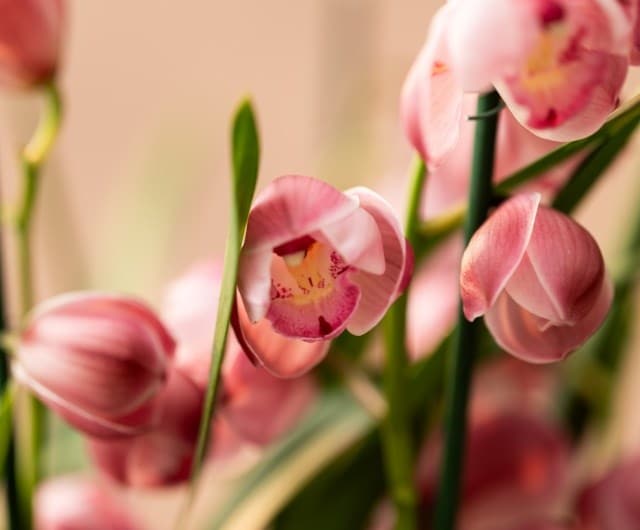
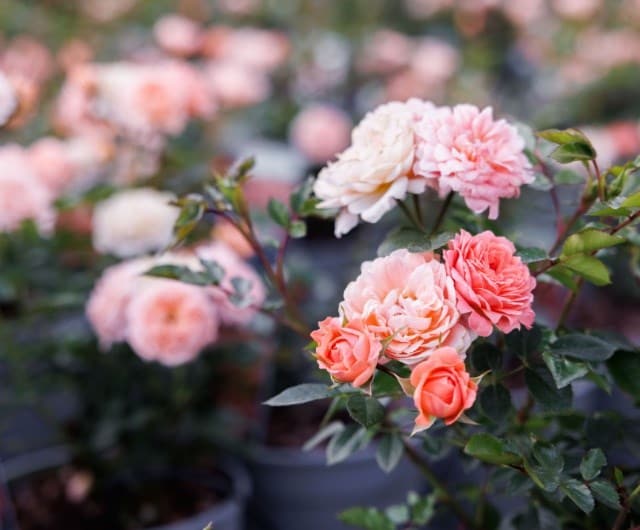

The photos on our website are designed to inspire you. Some will show fully grown plants in a garden setting, while others may convey particular features (flowers, colourful foliage, berries etc) that may only appear for a few weeks at a particular time of the year. These photos are not meant to be representative of what you'll receive, as a plant delivered in January may look nothing like the plant photographed in July.
Seasonal dieback and re-growth is a normal part of a plant's growth cycle, rather than an indication of the plant's health or vigour.
Our safe and responsible packaging

It's important to us that your plants arrive in good condition, so we package them securely in the most environmentally friendly way possible.
Some large orders, or those local to our nursery, will be delivered straight to your door by our own team. These are sent out without any packaging at all.

For orders delivered through our partner couriers, we keep everything snug in our eco-friendly cardboard boxes, securing them with brown paper and tape. We now only use plastic packaging where absolutely necessary, and it's always made from recycled materials.
To promote a paper-free approach, we don't send out delivery notes or invoices with our deliveries.
Top tips on getting your plants settled in
After your plants arrive, unpack them as soon as possible. If you're not a seasoned gardener, and would like a little advice on what to do next, then we've put together a series of planting tips, which will help get your plants off to a flying start. Please click on the relevant links below.


So we can help you as quickly as possible, please send us 3 clear, well-lit photos that include...

1. A close up of the damage or area of concern, ideally beside a common object so we can get a sense of scale.

2. A photo of the whole plant that shows the extent of the damage. Please include the surrounding plants if it's been planted out in the garden.

3. A location shot that shows where it's been planted (or placed) and includes any structural or environmental factors that may be having an impact.


We're on hand to help if you need it.
Just like us after a long flight, it's not unusual for your plants to look a little tired after their journey. Normally, they'll bounce back quickly, but if you are concerned, please use the form on our Contact us page.
Once we have some photos and consult our experts, we will come back to you with some care advice.

