






Pollinators the bishops dahlia collection
dahlia collection


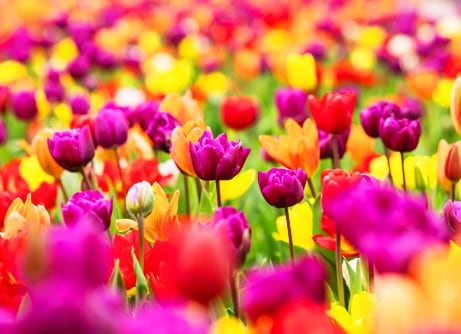
This colourful dahlia collection (or should that be diocese?) brings together a lively palette of red, yellow, orange, magenta, white and soft pink, all set against distinctive bronze and purple-flushed foliage.
The combination has a strong, cohesive look despite the varied flower forms, with open, bee-friendly blooms sitting alongside fuller, more substantial flowers to create plenty of contrast in both colour and texture.
The open flowers provide useful access for pollinating insects, while regular cutting encourages further blooms, making the collection equally well suited to a productive cut flower garden.
The combination has a strong, cohesive look despite the varied flower forms, with open, bee-friendly blooms sitting alongside fuller, more substantial flowers to create plenty of contrast in both colour and texture.
The open flowers provide useful access for pollinating insects, while regular cutting encourages further blooms, making the collection equally well suited to a productive cut flower garden.
How to care for Pollinators The Bishops dahlia collection:
We offer this Dahlia collection, where available, as tubers and ready potted plants.
Dahlia tubers can be planted outside after frost, or started off in pots under glass in late winter to early spring. Plant them horizontally approximately 12cm (5in) deep, making sure the ‘eyes’ are uppermost. Allow enough room between each tuber so the plants can grow and spread to their full size without being over-crowded.
Potted plants should be protected from frost in a well-lit location such as a frost-free greenhouse, cold porch, or cold-frame. Gradually acclimatise (harden-off) in mid-late spring before planting out into borders, protecting from late frosts with cloches or horticultural fleece.
While in growth, provide a high-nitrogen liquid feed each week in June, then a high-potash fertiliser each week from July to September. Stake with canes or brushwood if it becomes necessary. In mild areas, leave them in situ over winter, but protect the crown with a generous layer of dry mulch.
In colder areas, carefully lift and clean the tubers once the first frosts have blackened the foliage and allow them to dry naturally indoors. Then place the dry tubers in a shallow tray, just covered with slightly moist potting compost, sand or vermiculite and store in a frost-free place until planting out again.
Dahlia tubers can be planted outside after frost, or started off in pots under glass in late winter to early spring. Plant them horizontally approximately 12cm (5in) deep, making sure the ‘eyes’ are uppermost. Allow enough room between each tuber so the plants can grow and spread to their full size without being over-crowded.
Potted plants should be protected from frost in a well-lit location such as a frost-free greenhouse, cold porch, or cold-frame. Gradually acclimatise (harden-off) in mid-late spring before planting out into borders, protecting from late frosts with cloches or horticultural fleece.
While in growth, provide a high-nitrogen liquid feed each week in June, then a high-potash fertiliser each week from July to September. Stake with canes or brushwood if it becomes necessary. In mild areas, leave them in situ over winter, but protect the crown with a generous layer of dry mulch.
In colder areas, carefully lift and clean the tubers once the first frosts have blackened the foliage and allow them to dry naturally indoors. Then place the dry tubers in a shallow tray, just covered with slightly moist potting compost, sand or vermiculite and store in a frost-free place until planting out again.
What's included:
Each collection contains the following bulbs:
- 1 × Dahlia 'Bishop of Llandaff': Striking, semi-double, bright vermilion-red flowers appear from July to September above the deeply divided, dark bronze-red leaves. This popular, peony-flowered dahlia requires a sunny site with fertile, humus-rich soil. Dahlia 'Bishop of Llandaff' is perfect for a planting scheme based on 'hot' colours, can be highly effective grown as a container plant, is an eye-catching cut flower and offers great access for visting pollinators. Grows to 1.1m.
- 1 × Dahlia 'Bishop of York': Cheerful yellow flowers, contrasting beautifully with the purple-flushed foliage, appear for several months from midsummer. Dahlia 'Bishop of York' is ideal for creating late colour in the garden, and the flowers will attract bees. They'll also last well after being cut. Grows to 90cm.
- 1 × Dahlia 'Bishop of Canterbury': Bright magenta flowers create a dazzling contrast with the bronze-flushed foliage from midsummer onwards. They act as a magnet for bees and other pollinating insects and will last for ages when cut and added to a vase. Grows to 90cm.
- 1 × Dahlia 'Bishop of Dover': A single row of white ray-florets, which usually have a pinkish violet flush, surround the central disc, forming pretty flowerheads that are held on deep purple-tinted foliage of Dahlia 'Bishop of Dover' offers a wonderful contrast. They make excellent cut flowers and pollinating insects (including bees) will flock to them. Grows to 90cm.
- 1 × Dahlia 'Bishop of Leicester': A peony-type dahlia has very pale pink flowers, with each petal flushed with a darker pink, that emerge from within a cushion of bronze-purple foliage. With a an open flower structure, this cultivar is popular with bees and other beneficial insects and the blooms also make excellent additions to a vase. Grows to 90cm.
- 1 × Dahlia 'Bishop of Oxford': The soft orange flowers are held above the purple-flushed foliage on dark-coloured stems, creating a lush blend of colour that really stands out in the border. Grows to 90cm.
Flowering period:
- Jan
- Feb
- Mar
- Apr
- May
- Jun
- Jul
- Aug
- Sep
- Oct
- Nov
- Dec
Position:
Full sun
Rate of growth:
Fast-growing
Soil:
Moderately fertile, moist but well-drained soil, or peat-free general purpose compost
Hardiness:
Borderline hardy (will need protection in winter in colder areas)
-
 This bulb dies back after flowering each year and enters a period of rest ahead of regrowth the following season.

-
Humans/Pets: Ornamental bulbs - not to be eaten

